
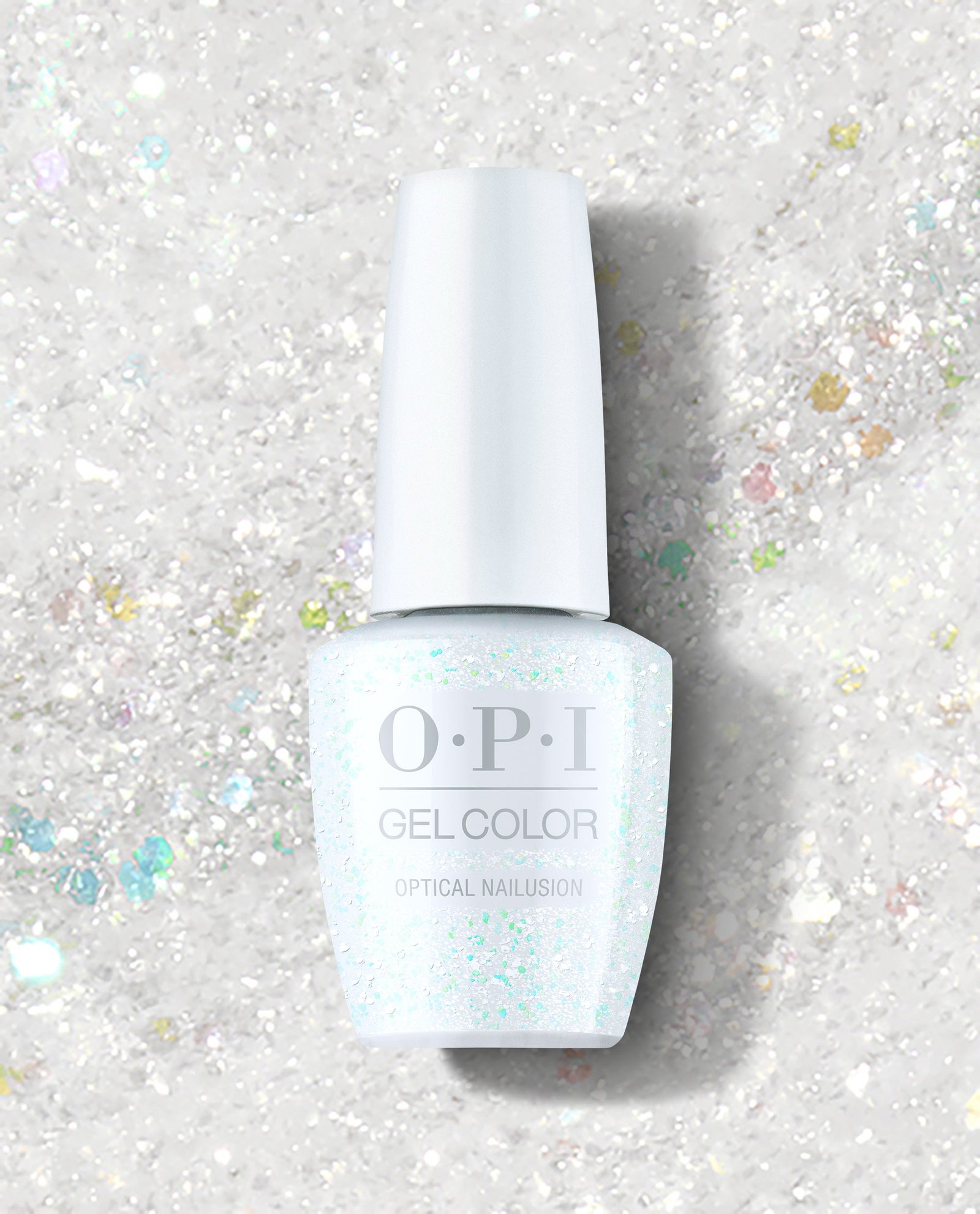
 Gel Polish
e.g. OPI GelColor
Hardens only under a lamp, then stays glossy for about two weeks.
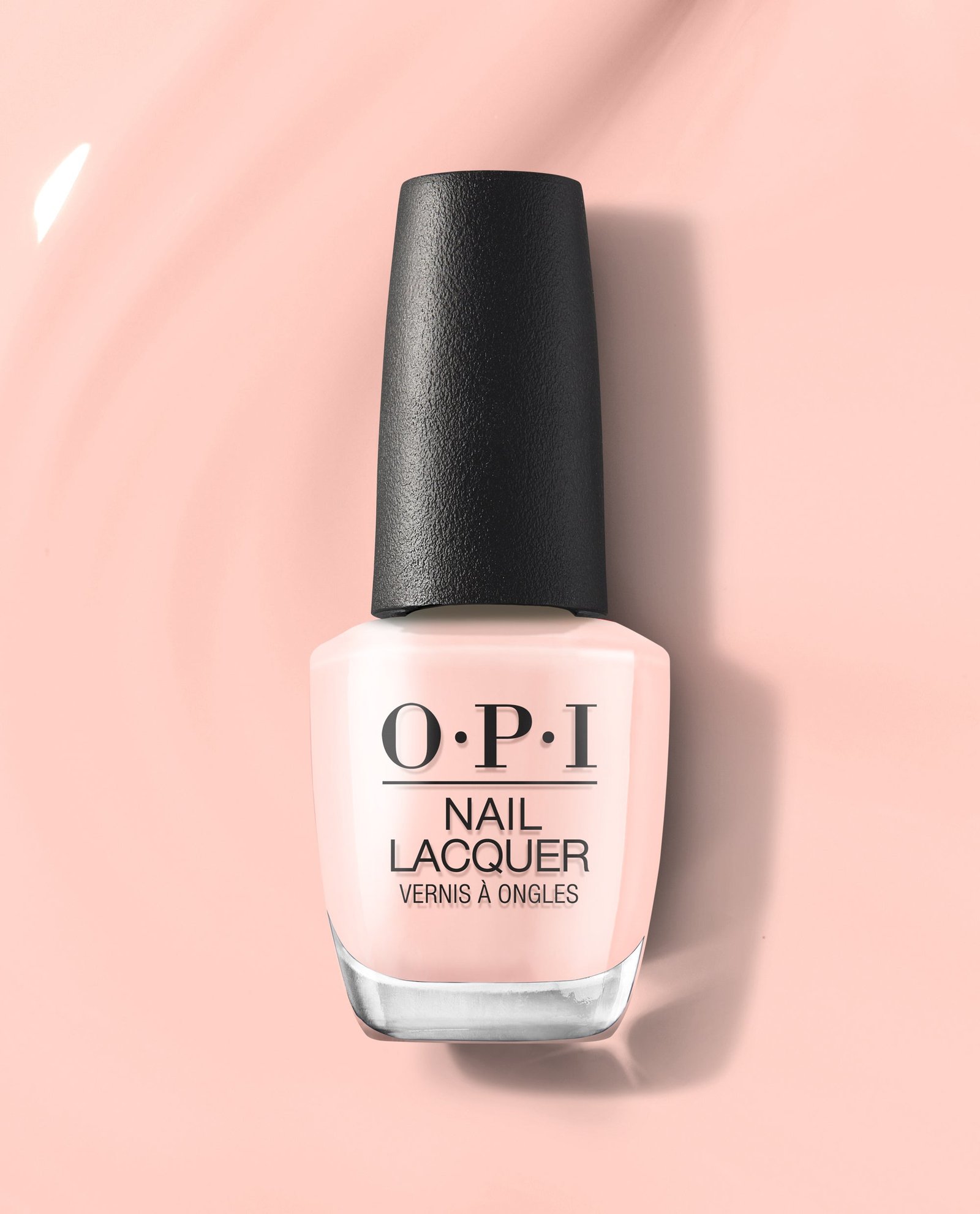 Regular Polish
e.g. OPI Nail Lacquer
Hardens in the air, changes colour in minutes, and wipes off easily.
Gel vs Regular Nail Polish
We independently research every product. We may earn an affiliate commission at no extra cost to you.
The verdict
Buy gel polish when you want one manicure to last about two weeks and you are happy to own a lamp and soak the colour off properly. Buy regular polish when you change colour often, want no extra gear, and want removal to take minutes rather than a soak. The right answer is the routine you will actually keep, not the longer wear figure on its own.
At a glance
| Factor | Gel Polish | Regular Polish |
|---|---|---|
| How it hardens | Cured under a UV or LED lamp | Air-dries as solvents evaporate |
| Ready to use | Hard the moment the last coat is cured | Touch dry sooner, fully hard later |
| Typical wear | About two weeks | Days to about a week |
| Removal | Acetone soak, about 20 minutes | Ordinary remover, wiped off |
| Gear needed | Lamp, gel base and top coat, acetone and wraps | Polish, base and top coat only |
| Changing colour | Slow, a full soak each time | Fast, a fresh colour in minutes |
Which is better for…
| Your situation | Better pick |
|---|---|
| A holiday or event with no time for touch-ups | Gel |
| Changing colour every few days for fun | Regular |
| No lamp and no extra gear at home | Regular |
| Hands in water and daily wear all week | Gel |
| A first at-home manicure, kept simple | Regular |
This is not really a contest between two bottles. It is a contest between two routines. Gel asks for more before the manicure starts and more when it ends, and in return it stays put while regular polish would already be chipping. Regular asks for almost nothing, and in return it lets you change your mind whenever you like. Pick the side whose trade-off sounds like your week, and the rest of this page falls into place.
Short answer
Buy gel polish if you want a glossy manicure that survives about two weeks of normal life without touch-ups, and you accept the lamp, the layered application and the acetone soak at the end. Buy regular polish if you like a new colour every few days, if you paint your nails on a whim, or if you simply do not want to buy and store a lamp. Regular polish is also the easier first step: mistakes wipe off, and a bad colour choice costs minutes, not a soak.
How each one works
Regular polish is colour suspended in a liquid that hardens as its solvents evaporate into the air. That is why it feels dry to a light touch long before it is truly hard underneath, and why a sheet mark or a dent can still appear an hour later. Thin coats harden more evenly than one thick coat, and a base coat plus a top coat are what stretch its wear from a couple of days toward about a week.
Gel polish works in the opposite way. It does not dry in the air at all. Each layer, base coat, colour and top coat, is hardened by light in a compatible UV or LED lamp, a step the industry calls curing. Until that light hits it, gel stays soft; once it has been cured, it is hard, glossy and ready to use at once. That cured layer is also why removal takes a soak: ordinary remover wiping does not break it down the way it breaks down regular polish.
One label trap sits between the two. Products sold as gel-like, such as essie Gel Couture and Sally Hansen Miracle Gel, look like gel and wear longer than regular polish, but they harden without a lamp and come off with ordinary remover. They are a useful middle ground, and they are covered on our category page, but they are not true gel. If a bottle says gel and never mentions a lamp, check the instructions before you buy, because the removal you expect depends on that answer.
The full comparison
| Factor | Gel Polish | Regular Polish |
|---|---|---|
| How it hardens | Cured under a UV or LED lamp, coat by coat | Air-dries as solvents evaporate |
| Layers | Gel base, colour, gel top, each cured | Base, colour, top, air-dried between coats |
| Ready to use | At once, after the final cure | After full drying, later than touch dry |
| Typical wear | About two weeks | Days to about a week, with a base and top coat |
| Finish over wear | Gloss holds for most of the wear | Gloss fades and tips wear first |
| Removal | Acetone soak, about 20 minutes, then gentle lift | Ordinary remover, wiped off in minutes |
| Gear | Lamp plus gel system and soak supplies | No extra gear beyond the polish itself |
| Colour change | Slow, every change needs a soak | Fast, a new colour whenever you like |
| Best user | Someone who wants one manicure to last | Someone who changes colour often |
| Skip it if | You will not soak it off properly | You need a manicure to survive two weeks untouched |
The cost story people miss
Gel looks like the expensive side on the first shopping trip, because the lamp and the gel system arrive together, while regular polish arrives as a single bottle. Over a month, though, the maths flips in a quieter way: gel is painted far less often, while regular polish is repainted every few days, using more remover, more cotton and more of your evening. That does not make gel the cheaper habit for everyone. If you love changing colour, gel’s long wear is wasted on you, and you will pay the soak-off effort for a benefit you never use. The honest way to judge it is by your own rhythm: count how often you actually repaint, then ask whether fewer, longer manicures sound like a relief or like a commitment you will resent.
Where each one wins
Choose gel if:
you want one manicure to carry you through a holiday, a busy fortnight or a run of events, your hands take daily wear, and you are willing to cure each coat and soak the colour off at the end. Gel rewards patience with staying power.
Choose regular if:
you change colour with your mood, you paint your nails when the moment strikes, or you want the simplest possible kit. Regular rewards spontaneity with a fast change and an easy removal.
See every polish we track side by side in the Nail Polish Database, or start from the Nail Polish category page for the full picture.
Frequently asked questions
Can I use a lamp to dry regular polish faster?
No. Regular polish hardens only as its solvents evaporate in the air, and a UV or LED lamp does not speed that up. Putting regular polish under a gel lamp leaves it exactly as wet as it was, and it can still dent afterwards. If you want a lamp-hardened finish, you need a true gel system, not a regular bottle under a lamp.
Can I take gel off the way I take regular polish off?
No, and this is where most gel trouble starts. Ordinary remover wiping does not break down a cured gel layer. Gel needs an acetone soak, about 20 minutes with wrapped cotton pads in the OPI system we checked, followed by a gentle lift. Peeling or scraping it off instead lifts nail layers with it, which is why a proper soak is part of the gel routine, not an optional extra.